







Recovery rarely follows a single, straight road. Instead, it tends to unfold in stages, with different kinds of support making sense at different times. For adults facing serious mental health symptoms, PHP mental health treatment Boise can be one of the most important stages along the way. It offers intensive, daily structure without requiring you to live away from home.
Still, many people aren’t sure what partial hospitalization actually involves or where it belongs in a broader plan. Is it a first step? A step down? A bridge to something else? The answer can be all three. In this guide, we’ll explain how a partial hospitalization program works, who it helps, and how it connects to the rest of your recovery journey.
Understanding Partial Hospitalization at a Glance
A partial hospitalization program, often called PHP, is the most intensive form of outpatient mental health care. Participants typically attend treatment most weekdays for a large portion of the day. In the evening, they return home to sleep, rest, and spend time with loved ones.
Think of PHP as a full-time commitment to your mental health, but on a daytime schedule. You get the focus and consistency of an immersive program. At the same time, you stay grounded in your own life, which makes it easier to apply what you learn.
At Recovery Ways Idaho, PHP mental health treatment Boise is designed specifically for adults. The program treats a range of mental health conditions, including depression, anxiety, bipolar disorder, trauma disorders, ADHD, personality disorders, postpartum disorders, and co-occurring mental health conditions.
Recovery Happens in Stages
It helps to think of mental health care as a set of steps rather than a single event. Each step offers a different amount of support. Ideally, you receive the level of care that matches your needs right now, and then you adjust as those needs change.
On one end, you might see a provider occasionally for routine check-ins. Further along, an intensive outpatient program (IOP) offers several sessions each week. PHP sits above IOP, providing the most hours of outpatient support available.
Moving between these levels is normal and healthy. In fact, it’s often a sign of progress. Starting with more support and gradually stepping down allows you to build confidence without feeling like the rug has been pulled out from under you.
This flexible approach also means your plan can evolve. Life is unpredictable, and mental health can shift with it. A good care team will check in regularly, listen to how you’re feeling, and recommend changes when they make sense. That way, your treatment always reflects where you are, not where you were when you started.
Signs PHP Might Be the Right Starting Point
For some adults, PHP mental health treatment Boise is the ideal place to begin. This is especially true when symptoms have become severe enough to disrupt nearly every part of daily life.
For example, you may find it difficult to get out of bed, keep up with basic self-care, or make it through a workday. Perhaps panic, low moods, or intrusive thoughts are taking up most of your mental energy. Relationships may feel strained, and simple tasks might seem out of reach.
Another sign is when lighter forms of care haven’t been enough. If you’ve tried weekly appointments and still feel stuck, more intensive support can help you finally gain traction. Ultimately, the admissions team will help you decide whether PHP fits your needs.
When PHP Serves as a Step Up in Care
Not everyone starts in PHP. Sometimes, adults who are already in IOP notice their symptoms getting worse. A major life stressor, such as a loss, a breakup, or a job change, can make it harder to cope.
In these moments, stepping up to PHP can prevent a small setback from becoming a bigger crisis. Extra hours of support provide stability while you work through the challenge. Then, once things settle, you can return to IOP with renewed strength.
Choosing more support isn’t a failure. On the contrary, it shows self-awareness and a commitment to your well-being. Recognizing when you need more help is a skill in itself, and it’s one that serves you for life.
Moreover, stepping up doesn’t erase the progress you’ve already made. The skills you built in IOP still belong to you. PHP simply gives you a stronger safety net while you navigate a tougher season, so you can come out the other side with even more resilience.
What a Typical Day in PHP Looks Like
Knowing what to expect can make starting PHP mental health treatment Boise far less intimidating. While every schedule is a little different, most days in PHP follow a predictable rhythm.
You’ll arrive in the morning and spend much of the day engaged in treatment activities. The structure is intentional. Rather than facing long, empty hours where anxious or depressive thoughts can take over, you have a clear plan for each part of the day.
Throughout the program, you’ll work toward the goals you set with your care team. These goals are personal, so they might focus on managing mood swings, reducing avoidance, improving daily routines, or building healthier ways to respond to stress. By late afternoon, you’ll head home with new insights to practice that evening.
Over time, this daily pattern creates momentum. Many adults find that the routine itself becomes a source of comfort and stability.
It’s also normal for the first few days to feel a little awkward. You’re meeting new people, learning a new schedule, and opening up about things that may be hard to discuss. Give yourself grace during this adjustment period. Most people find that by the end of the first week, the program starts to feel familiar and even welcoming.
Support Services Built Into Your Plan
PHP mental health treatment Boise works best when support extends beyond the program schedule. That’s why Recovery Ways Idaho includes several services designed to help you manage both treatment and everyday life.
Case management plays a major role. Your case manager can help you sort through practical concerns, such as coordinating time away from work, connecting with community resources, or organizing paperwork. When those details are handled, you can focus more fully on healing.
Community-Based Rehabilitation Services (CBRS) help turn insight into action. This support focuses on everyday skills, like maintaining routines, handling stressful situations, and building independence. Because the work happens in real-world settings, the skills are easier to carry with you.
Peer support adds a human connection that many people find invaluable. A peer support specialist has lived experience with mental health challenges and understands what it’s like to be where you are. Their encouragement can remind you that recovery is possible, even on the hardest days.

Balancing PHP With Work and Family Life
One of the most common questions about PHP involves daily responsibilities. Because the program takes up much of the day, some adults take a temporary leave from work while they participate.
Talking with your employer can feel stressful. However, many workplaces offer options for medical leave, and you don’t have to share every detail of your situation. Your case manager can help you think through next steps and gather any information you may need.
Family responsibilities matter too. If you care for children or other loved ones, planning ahead can make the experience smoother. You might arrange help with childcare, meals, or transportation for the duration of the program. Remember, taking time to focus on your mental health ultimately benefits the people who depend on you.
How Loved Ones Can Help During Treatment
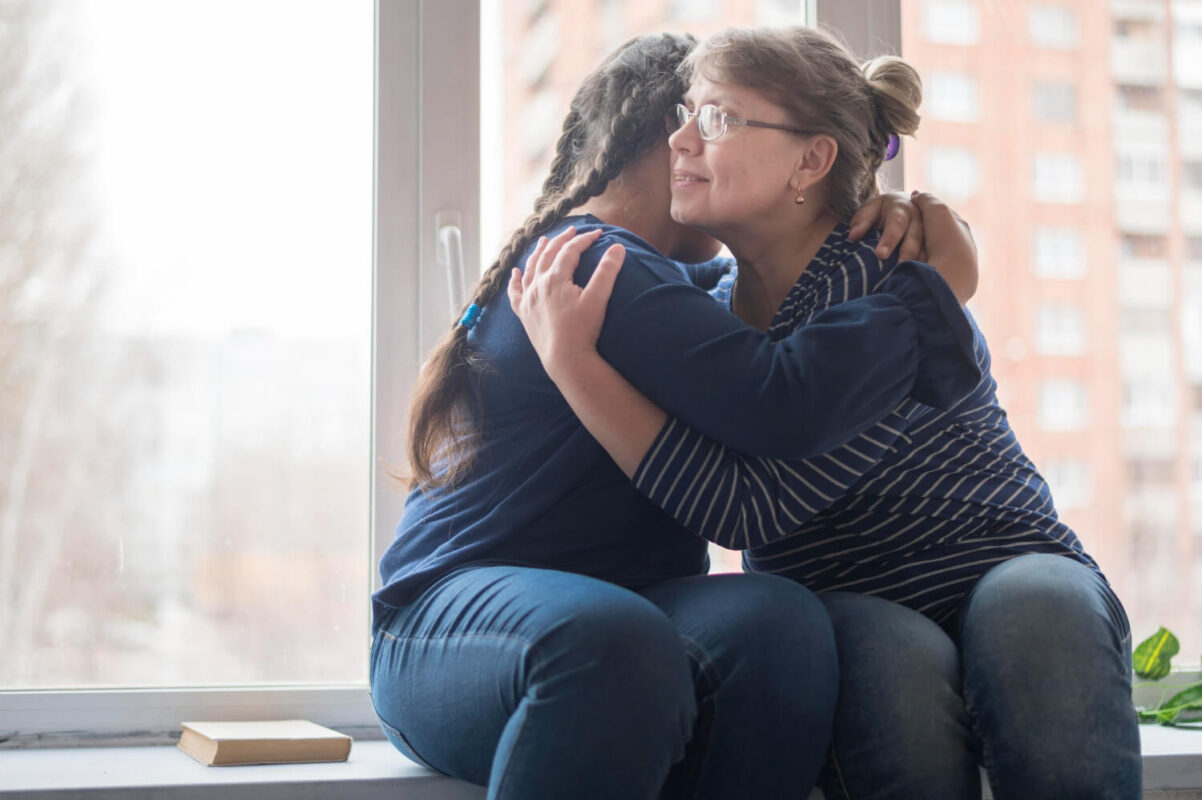
The people closest to you can play a powerful role in your recovery. Even so, they may not know how to help. Letting them know what you need can make a big difference.
Sometimes support looks like practical help, such as picking up groceries or driving you to the program. Other times, it’s simply a listening ear at the end of a long day. Encouragement to keep going, especially when motivation dips, can be just as valuable.
It’s also okay to set boundaries. You may need quiet time in the evenings to rest and recharge. Being honest about that helps loved ones understand how to support you best.
Finally, remember that your loved ones may need support too. Watching someone they care about struggle can be difficult. Encouraging them to lean on their own networks, or to learn more about your condition, can strengthen your relationships throughout recovery and beyond.
Stepping Down From PHP to IOP
As your symptoms become more manageable, your care team will begin talking about next steps. For many adults, that means transitioning from PHP mental health treatment Boise into an intensive outpatient program.
This step-down process is gradual by design. Instead of going from daily support to nothing, you move to a schedule with fewer hours each week. That shift gives you more time to return to work, family, and other responsibilities while still receiving regular care.
IOP also offers a chance to test your skills with slightly less structure. You’ll face more of life’s everyday challenges on your own, then return to talk through what worked. This balance helps you build lasting confidence.
Planning for What Comes After
Recovery doesn’t end when a program does. In fact, some of the most important work happens once you return to daily life. That’s why planning for what comes next is built into care from the very beginning.
Before you complete treatment, your team will help you create a plan for staying well. This may include identifying early warning signs, choosing coping strategies that work for you, and connecting with ongoing resources in the community. Having that plan in place can make setbacks feel far less overwhelming.
It’s also helpful to think about the routines that supported you during treatment. Regular sleep, time outdoors, meaningful activities, and steady connection with others can all protect your mental health. Keeping some of that structure in place after the program ends can help you hold on to the stability you worked so hard to build. Small, consistent habits often make the biggest difference over time.
With the right preparation, the progress you make in PHP mental health treatment Boise can continue long after you leave.
Insurance Coverage for Partial Hospitalization
Many insurance plans help cover partial hospitalization, which can make PHP mental health treatment Boise more accessible than you might expect. Recovery Ways Idaho accepts Blue Cross of Idaho, Regence, Aetna, Cigna, Humana, UnitedHealthcare, UMR, Select Health, Molina Healthcare, Magellan Healthcare, TRICARE, and Medicaid.
Since coverage varies by plan, our admissions team can verify your benefits ahead of time. That way, you can start treatment with a clear picture of what to expect.
Explore PHP Mental Health Treatment Boise at Recovery Ways Idaho
If your mental health is making daily life feel unmanageable, you don’t have to keep pushing through alone. Partial hospitalization offers the structure and support to help you regain stability and move forward.
To learn more about PHP mental health treatment Boise, contact the admissions team at Recovery Ways Idaho today. We’ll help you find the right place to begin your recovery plan. For more information, visit our website https://recoverywaysidaho.com/ or call us at (208) 343-2737.
Frequently Asked Questions
How long does a partial hospitalization program last?
The length of PHP varies based on your symptoms and progress. Some adults participate for a few weeks, while others need more time. Your care team will review your progress regularly and recommend when to step down.
Is PHP the same as inpatient care?
No. Inpatient and residential programs require you to stay overnight at a facility. In PHP, you attend treatment during the day and return home each evening.
Can I start in IOP instead of PHP?
Yes, if your symptoms allow it. Some adults begin directly in IOP. During admissions, the team will help determine which level of care fits your needs best.
Does Recovery Ways Idaho offer PHP for teens?
No. Recovery Ways Idaho provides mental health treatment for adults only. Our programs are designed around the unique challenges adults face in their daily lives.
What should I bring on my first day of PHP?
It helps to bring your insurance card, a photo ID, a list of any current providers, and a water bottle and snack. The admissions team will share any other details before your start date, so you’ll know exactly what to expect when you arrive.